Fairway Trophy Co · buyer guide
Perpetual club trophies and annual keeper awards
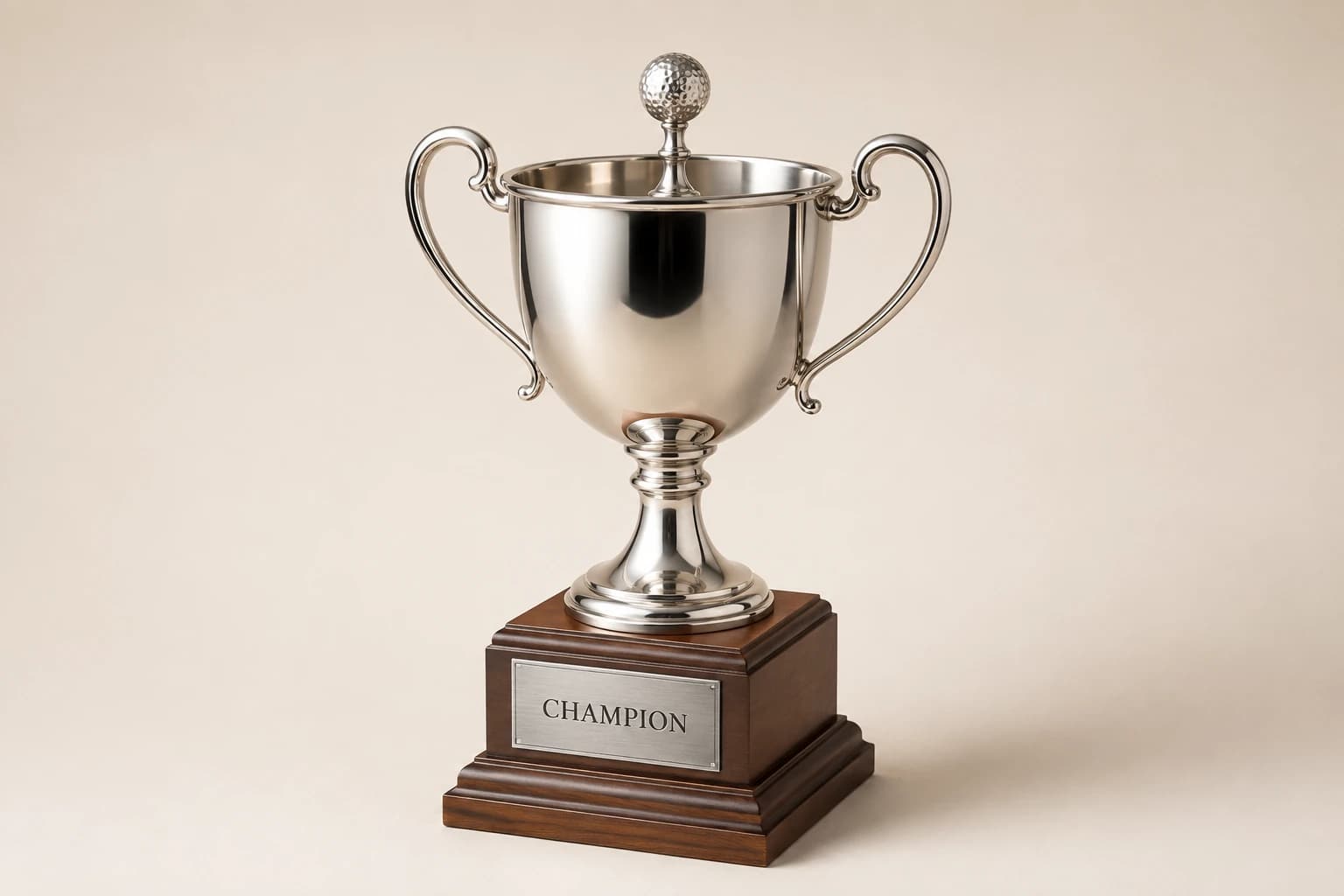
For a worldwide Fairway Trophy Co club program, treat the perpetual trophy as a continuing historical display and the annual keeper as the champion’s personal record. Count new history components and keepers separately from the trophy already owned. Future capacity depends on usable entry positions and the club’s approved record, not calendar years alone.
Reviewed 2026-09-05 · AI-assisted editorial review. General buying guidance; illustrative scenarios are not customer case studies. Images are AI-generated concepts.
What history should the club trophy record?
Decide whether the club records one champion, several categories or a team roster each season. That choice determines the amount of information a future entry must hold. Keep the event's official historical result in the club's records; the engraved trophy is a presentation of that record, not the only place it exists.
If categories have changed over time, preserve what the earlier inscriptions meant. Do not relabel an old winner using today's competition structure merely to make the base look uniform. A consistent visual style can coexist with historically accurate category wording when the distinction is reviewed deliberately.

How many usable history positions remain?
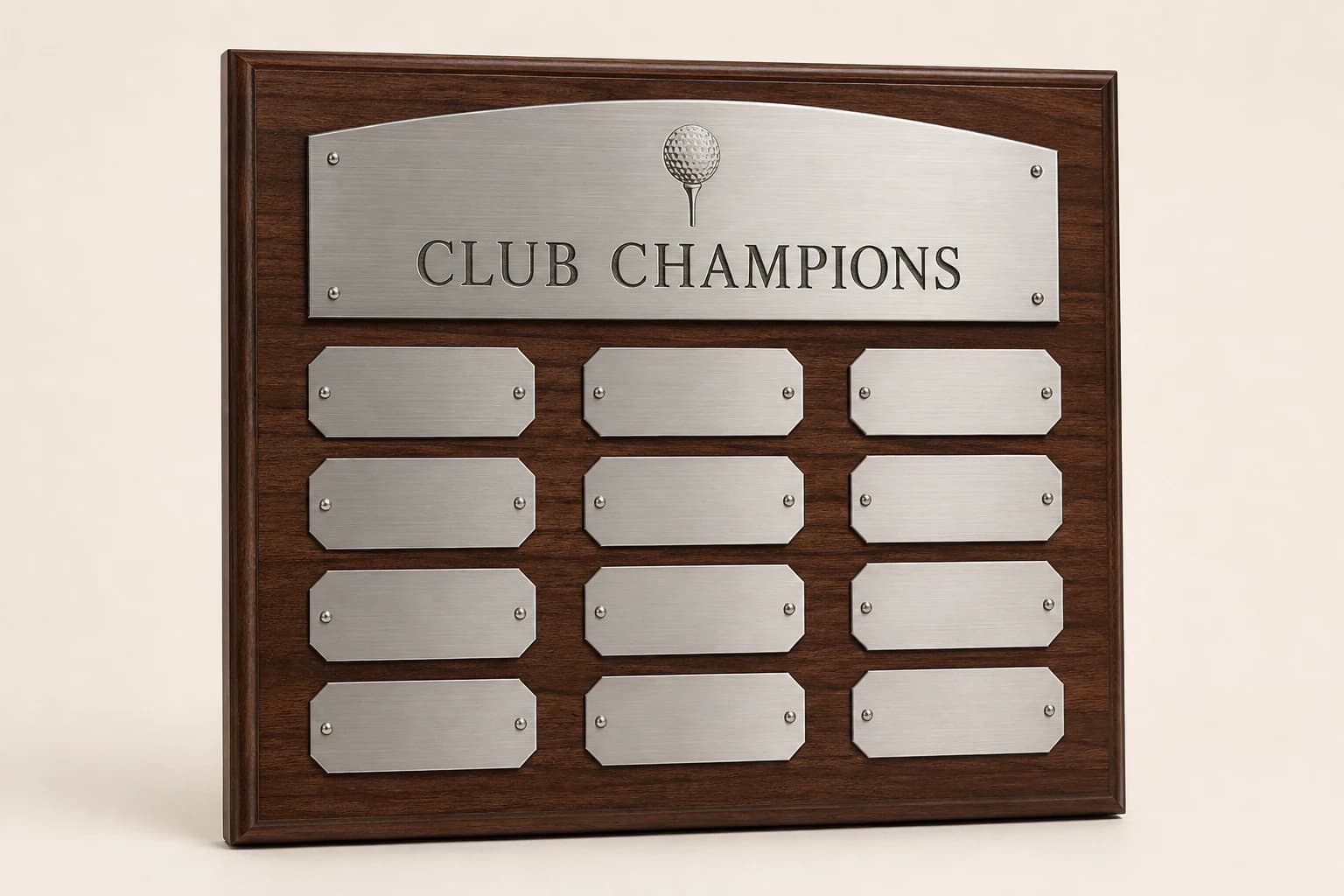
Count the physical entry positions actually available in the proposed design. Ask for dimensions of plates, gaps, headings and attachment areas. A count of empty-looking rectangles in a photograph is not a reliable capacity specification, particularly if existing names vary in length or future entries include team members.
Translate the club's planned entry frequency into a provisional horizon only after confirming the layout. If two categories add entries each year, eight spare entry positions do not represent eight years. Keep the arithmetic and the physical-fit approval separate so a tidy count cannot imply a guaranteed expansion method.
What should an annual keeper remember?
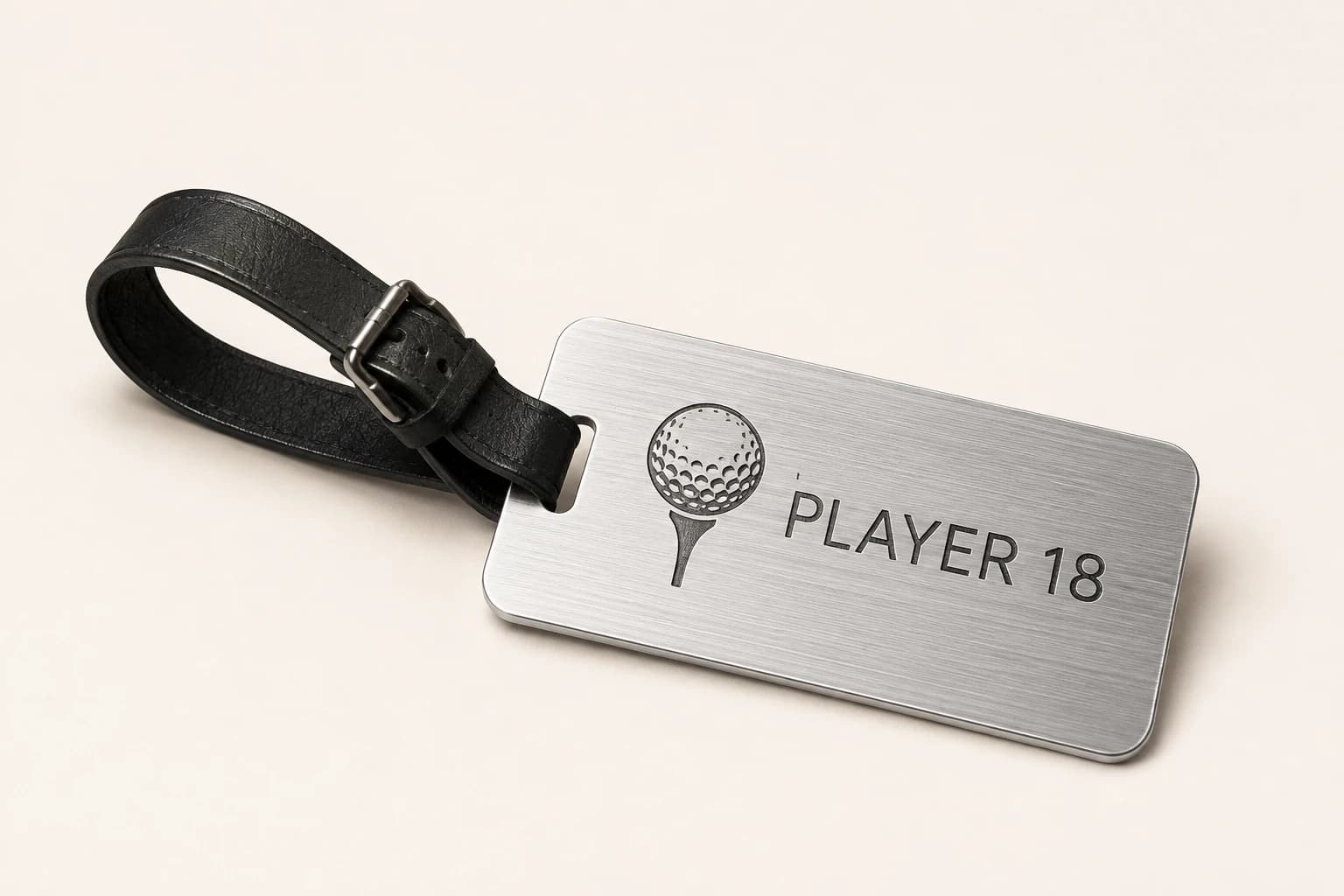
Give the keeper enough context to remain meaningful away from the club. The approved event, season and achievement should identify why the recipient received it. It may echo the perpetual trophy's shape or graphic hierarchy without reproducing the entire historical base.
A keeper for a repeat champion is still a new seasonal award if the club's program gives one every year. Do not omit it merely because the person already owns an earlier keeper. Conversely, a replacement for the earlier piece belongs in a separate historical order, not in the new season's champion count.
Awards-Time discusses perpetual trophies alongside keeper awards.

Sources: Awards-Time: Golf Trophy Ideas for Club Days & Societies
Who should hold and maintain the perpetual trophy?
Choose who stores the perpetual trophy, authorizes an update and returns it to display. The winner may borrow it for a photograph, but temporary possession should not leave the club uncertain about where it lives. Record a return arrangement if it leaves the premises.
Keep the update instructions with the club's retained files. Include which part is intended to change and which historical elements should remain untouched. A new committee should not have to discover the design's update method by loosening components or covering old entries with a larger plate.
Count annual keepers and new history components
The fictional club orders one annual keeper and one history plate for a perpetual trophy it already owns. The new purchase contains two physical pieces. A separate capacity check starts with twelve history positions and nine occupied; this season’s one entry leaves two. Neither count confirms the plate dimensions or attachment.
Method: Multiply units by pieces per unit, then add separately entered categories and explicitly chosen spares. No eligibility or spare allowance is inferred.
Build your plan
Set spares yourself. This calculates the quantities you enter; it does not assume a recommended buffer.
Use the article’s example files
Sample rows are fictional planning examples. Replace them with authorized information and retain the approval references privately; this file is not a production release.
How should an incorrect history entry be corrected?
If an old entry contains an error, have the club approve the correction and identify the affected season. Preserve the earlier record of what was changed. The correction might require a new entry plate, more extensive work or a different approach depending on the actual construction. Ask for a proposal instead of assuming the physical remedy.
A design refresh is a separate decision from a factual correction. Replacing every historical plate for visual consistency can affect many names and dates that were already correct. Review those entries again if they are being reproduced rather than treating the task as an unreviewed copy operation.
When should the club plan another history base?
When the remaining capacity becomes limited, compare adding a confirmed extension, commissioning a successor trophy or moving the longer history to a separate club display. The right choice depends on the physical object and the club's intended tradition. An extension is not automatically available because the design is called perpetual.
Retain photographs and measured drawings of the current arrangement. If the club adopts a successor design, explain how the historical record continues across the two objects. A clear transition can preserve the tradition without squeezing unreadable names into every remaining gap.
How do you test a long future champion entry?
A history base should be reviewed using a plausible long entry, not only this year's short winner name. Ask the club what an entry may include: season, team identity, individual names, category or score. Use the longest actual historical string available, or a clearly fictional length test if there is no history yet.
Do not invent a former champion as a layout example.
Have the designer show how that information fits in one proposed entry position. A later coordinator should not need to shrink a long winner to half the type size of everyone else. The club can agree on a consistent abbreviated display convention in advance, provided each recipient's actual wording still receives approval. Retain that convention with the layout so future updates preserve readability without silently omitting meaningful parts of the record.
Which trophy costs recur each season?
The first purchase and the annual update are different scopes. Ask the initial quote to distinguish the central object, current entry work, keeper awards and any included update components. For a future season, request a current proposal for the actual update rather than assuming the first invoice established permanent pricing or availability.
The club also needs to know whether the main trophy must travel for work. Sending it away can temporarily remove the display from the clubhouse and introduce receiving tasks that a loose plate shipment would not. Compare those operational steps alongside cost. A less expensive update method is not automatically preferable if it depends on an unavailable club volunteer or an attachment process nobody has approved. Put the custodian's responsibility and the production contact's work in separate sentences so each is clear.
How does a joint championship affect entries and keepers?
A future season may produce a joint championship under the club's rules. Before compressing two names into one existing slot, have the committee approve the exact historical statement and ask the designer to show its layout. The history capacity plan may change if a joint result requires more than one position.
An entry count based on one winner per year is an assumption, not an entitlement to a fixed amount of engraving space.
Keep keeper quantities separate. If the approved program gives one personal piece to each joint champion, two keepers may be required even when one history entry records both. The worksheet should explain why the history-plate count and keeper count differ. That makes the quote reviewable and prevents an order assistant from deleting a legitimate second keeper to make the two columns match.
How should a retired trophy’s history be preserved?
An older trophy may eventually be retired from active updates because its layout is full or the club selects a different display. Photograph the complete inscription record and retain the verified text before moving the object into storage. The club should decide where members can still encounter that history, rather than letting the transition erase earlier winners from view.
When commissioning a successor, identify its starting season and whether it references the earlier trophy. Avoid copying the entire historical record unless that is an explicit, reviewed project. Reproducing old names introduces a new proofreading obligation even when the source object is trusted. The keeper program can continue through the transition with clear seasonal wording, while the shared display explains how the new object fits the club's ongoing competition tradition.
Illustrative example: How do one keeper and one history plate form the new order?
A fictional club awards one keeper to its annual champion and updates one history plate each season. For the current order, one keeper plus one new history plate means two physical pieces, entered as units 1, each 1, extras 1 and spares 0. The existing perpetual trophy is already owned and is not counted as a newly purchased object.
Its proposed history layout contains twelve entry positions, with nine already occupied. Three positions remain before this season's update and two afterward. That arithmetic does not verify plate dimensions or authorize attachment; those require the actual measured design.
If the club adds a second championship category next year, the two remaining positions could be consumed in one cycle. The club should examine its update plan then, not assume the remaining space lasts two seasons because it previously added only one winner per year.
Which annual trophy arrangement preserves the intended history?
Compare a perpetual-only program, annual keepers and a combined arrangement by where the historical record lives and what each champion retains. Existing objects and new purchases should remain separate in the count. Review the recurring update responsibility and available entry space before treating this season’s order as a repeat of last year.
| Option | Useful when | Decision to resolve |
|---|---|---|
| Perpetual trophy | The club wants an ongoing visible competition record. | Custody, verified entry layout and update method. |
| Annual keeper | The winner should own a season-specific object. | Complete standalone wording and personal handoff. |
| Successor display | The current history space cannot support the intended future record. | How old and new records connect without rewriting results. |
What should you know before ordering?
Perpetual trophies combine a long-lived display with recurring annual work. These answers cover the quote, entry capacity, joint champions and historical corrections. Ask Fairway Trophy Co to assess the actual new components and keeper scope while the club retains its official result record, custody plan and approval of every public historical entry.
What should the annual perpetual-trophy quote include?
Separate the keeper, new history entry, confirmed update work, packaging and any transport from the trophy the club already owns. Ask Fairway Trophy Co to identify any required repair or new base separately. The recurring purchase should reflect this season’s actual work rather than automatically price another complete championship object.
Do three empty positions mean three more seasons?
Only if the approved program uses one position per season and every future entry fits that arrangement. Multiple categories or a joint result may consume positions differently. Count usable entry locations and review the intended text before converting physical capacity into a number of future years.
Should joint champions receive two keepers?
Follow the club’s approved recognition rule. Two personal keepers may be appropriate even when one history entry records both champions. Keep the history-component count and personal-piece count separate, and approve the joint result wording before assuming that two names can be compressed into one existing entry area.
Can a replacement use the club’s current sponsor artwork?
Use the approved historical design unless the club authorizes a changed treatment. A replacement for an earlier championship should not silently acquire a later sponsor identity. Retain the event year, exact entry text and artwork reference so the new piece can reproduce the intended historical record accurately.
What happens when the history base is full?
Review a confirmed extension, replacement base or retirement plan for the actual object before the next update is due. Preserve the club’s history independently of the trophy and approve how earlier entries will remain represented. Do not assume another plate can be attached wherever a photograph appears to show space.
Sources and scope
The sources below support the cited technical details. The ordering workflows are editorial recommendations. Your project specification, price and schedule are established in the written quote and approved proof.
- Awards-Time: Golf Trophy Ideas for Club Days & Societies · checked 2026-09-05
Which buying guide should you read next?
All buying guidesChoose who keeps the shared golf trophy and what each player takes home, then count and personalize the two groups separately.
Approve stable golf event details before play, then release winner personalization only after the results and display names are confirmed.